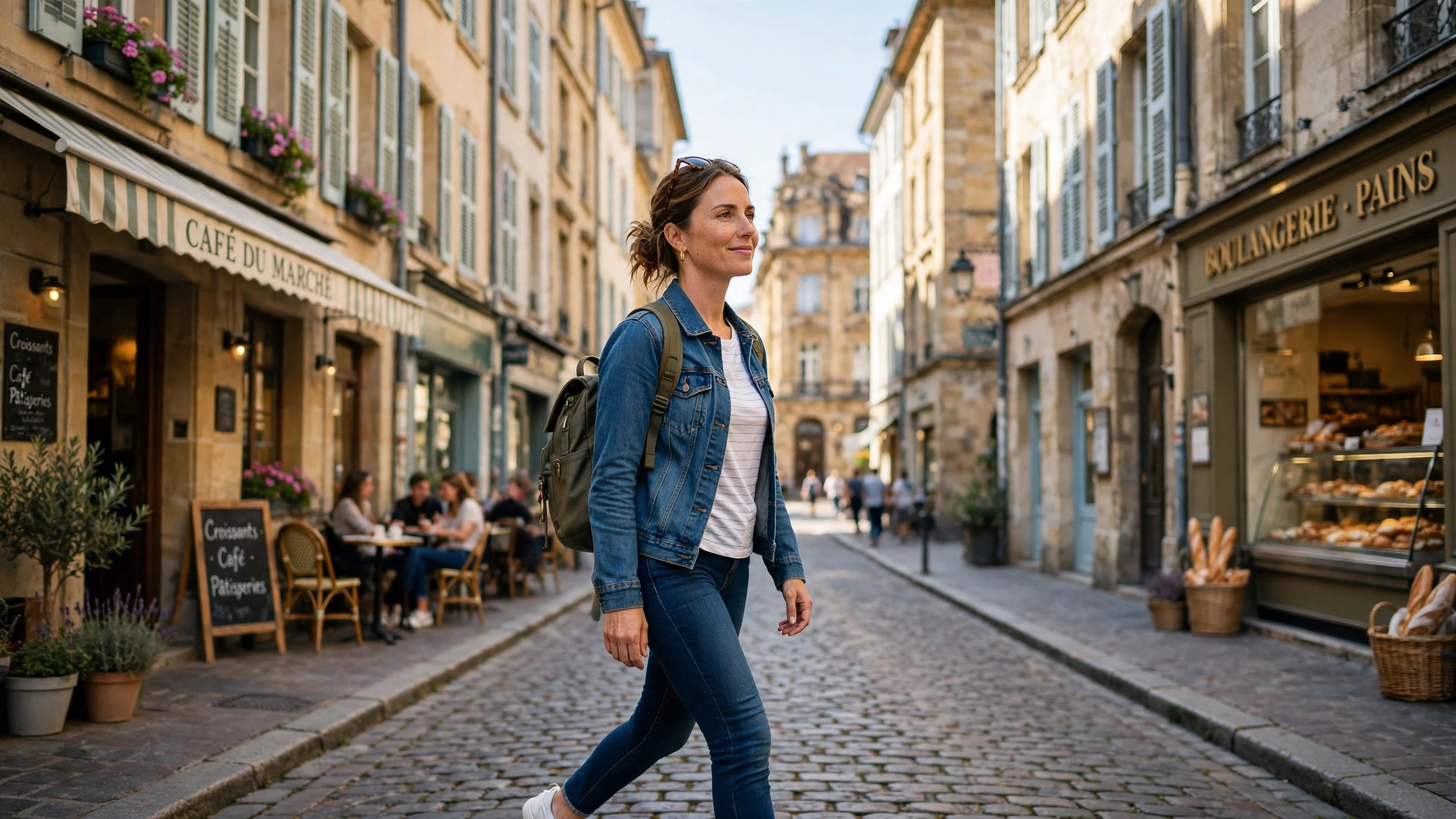
You are standing on a quiet street in a city you have never visited before, map in one hand, coffee in the other, and the whole day is yours to shape. That is the freedom solo travel gives you — and it is exactly why more women are choosing to travel alone. The question is not whether you can do it, but how to do it well. With the right preparation, a few smart habits, and a clear plan, you can explore the world on your own terms and stay safe while you do it.
Start With Research, Not Fear
Good solo travel starts long before you board the plane. Read up on your destination the way a local would: which neighborhoods are lively after dark, which areas to avoid, how women travelers are generally treated, and what the local customs around dress and behavior look like. Government travel advisories are a useful starting point — the U.S. State Department publishes country-by-country guidance at travel.state.gov — but pair that with recent accounts from women who have actually been there, such as travel blogs and community forums. Advisories describe risks; real trip reports tell you what daily life feels like.
Learn a few practical details before you go: the local emergency number, the address of your country’s nearest embassy or consulate, and how the local transport system works. Knowing these things in advance means you never have to figure them out under pressure.
Choose Where You Stay With Care
Your accommodation is your base, so choose it for safety as much as for price. Look for stays in well-lit, central neighborhoods with good reviews from other solo women travelers — and read those reviews rather than skimming the star rating. A well-reviewed guesthouse on a busy street is usually a better choice than a cheaper room on the edge of town.
When you arrive, check the practical details: a lock that works from the inside, a window that closes properly, and a reception or host who is reachable at night. If something feels wrong, trust that feeling and move. A lost night’s payment is a small price for peace of mind.
Pack Smart and Light
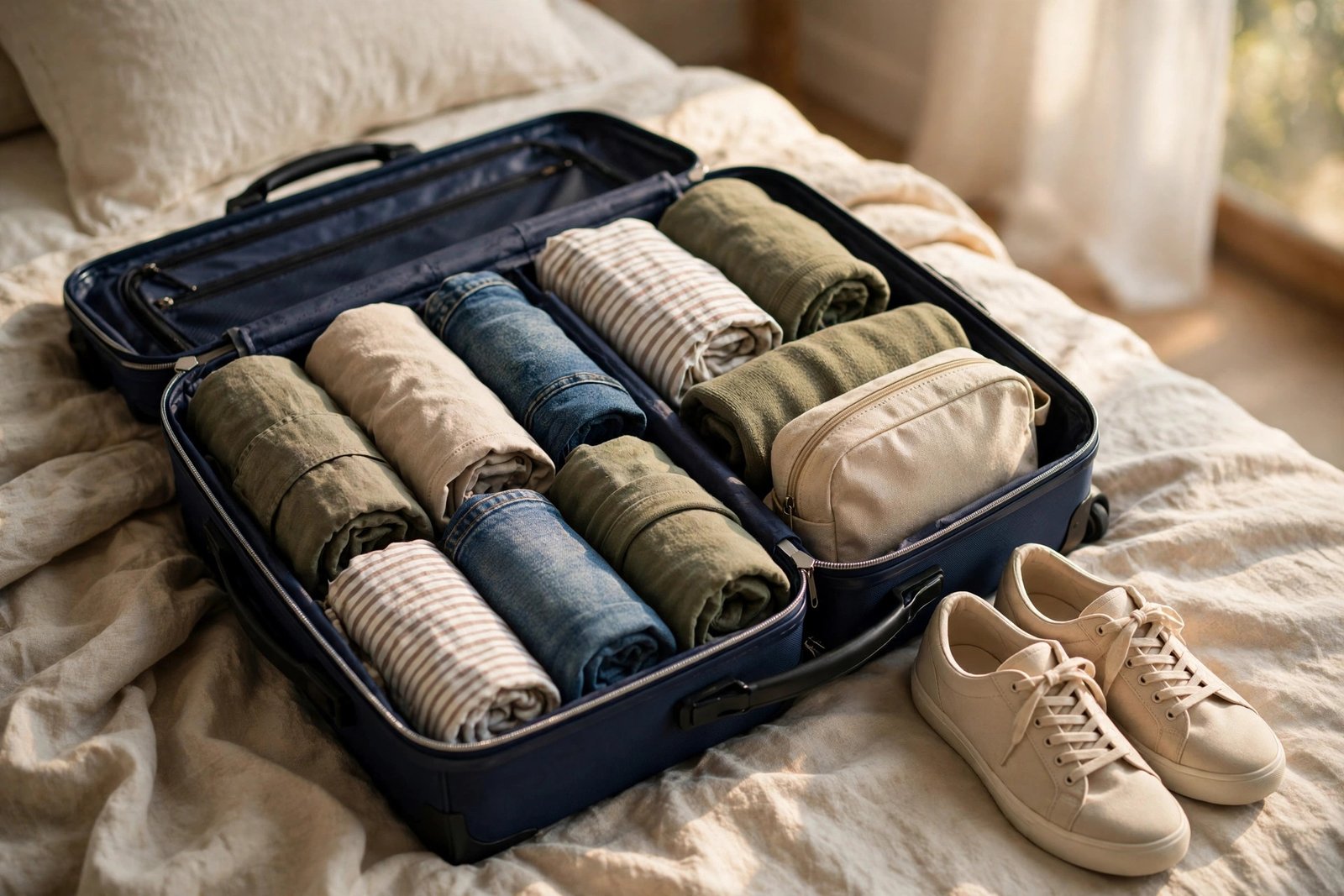
Traveling light is a safety habit, not just a comfort choice. One bag you can carry yourself means you are never struggling with luggage on a dark platform or asking a stranger for help with a heavy suitcase. Pack versatile layers, comfortable walking shoes, and a small crossbody bag that stays close to your body. Keep your passport, cards, and phone in separate places so losing one thing never costs you everything.
If you want a full system for fitting a week into one bag, this guide on how to pack light for a week-long trip walks through what to bring and what to leave behind.
Stay Connected and Share Your Plans
Let someone you trust know where you are going and when you expect to be back. Share your itinerary, your accommodation address, and a rough daily plan with a friend or family member, and check in with them regularly — a quick message each evening is enough. A local SIM card or an eSIM keeps you reachable and gives you maps and ride-hailing apps without hunting for Wi-Fi.
Keep your phone charged. A small power bank in your day bag is one of the most useful things you will carry, because a dead phone at the wrong moment turns a small problem into a real one.
Move Around Safely
Plan your arrivals for daylight whenever you can. Landing in a new city at night, tired and unfamiliar with the area, is when most solo travelers feel most vulnerable — so book flights and trains that get you in during the day, and arrange your transfer from the station or airport in advance. Licensed taxis and well-reviewed ride-hailing apps beat unmarked cars every time.
When you walk at night, stick to busy, well-lit streets and keep your headphones out or at low volume so you stay aware of what is around you. If a street feels empty or wrong, turn back and take the longer, busier route. Confidence and awareness are your best companions; looking like you know where you are going, even when you are checking your map, makes a real difference.
Trust Your Instincts and Set Boundaries
Your instincts are a tool, not a mood. If a person, a place, or a situation makes you uneasy, you do not owe anyone an explanation for leaving. A polite but firm “no, thank you” ends most unwanted conversations, and you never need to be polite to someone who ignores it. You can be friendly without being available: keep personal details — where you are staying, that you are alone, how long you are in town — to yourself when talking to strangers.
At the same time, do not let caution close you off from the good parts of solo travel. Shared meals, group day tours, and walking tours are easy ways to meet other travelers, and a day spent with new friends can be the highlight of a trip. The skill is choosing when to open up and when to keep your distance.
Money, Documents, and Backups
Carry two ways to pay — a card and some local cash — and keep them in different places. Photograph your passport, visa, insurance details, and booking confirmations, and store the copies somewhere you can reach them even if your bag is lost, such as a secure cloud folder or your email. Travel insurance that covers medical care and trip interruption is worth buying before every solo trip; check what it actually covers rather than assuming.
Keep a small emergency fund separate from your daily spending money, so an unexpected taxi ride, a changed plan, or a replacement phone never leaves you stranded.
Build Confidence on Your First Solo Trip
If this is your first time traveling alone, start with a destination that feels manageable: a city with good public transport, a language you partly know, or a place where other solo travelers gather. A short trip — three or four days — is enough to learn how you travel alone: how you like to plan your days, when you need rest, and what makes you comfortable. Each trip after that gets easier, because confidence comes from experience, not from reading about it.
Planning helps more than anything else here. If you want a simple structure for your first days on the road, this guide on how to plan a 7-day itinerary for first-time travelers shows how to pace your days so you see plenty without running yourself ragged.
FAQ:
Is it safe for a woman to travel alone?
Women travel solo all over the world every year. Safety depends far more on preparation, destination choice, and everyday awareness than on gender alone. Research your destination, stay connected, and trust your instincts.
What should I do if I feel unsafe while traveling alone?
Move toward people and light — a busy café, a shop, or a hotel lobby — and contact your accommodation or local emergency services if needed. Tell your check-in contact back home what happened. Do not wait for the feeling to pass before acting on it.
Should I tell people I meet that I am traveling alone?
You do not have to. A simple “I am meeting friends later” is enough if you want privacy. Share that you are solo only with people you have come to trust.
What is the best first destination for a solo woman traveler?
A place with reliable public transport, a reputation for welcoming visitors, and plenty of other travelers — cities in Western Europe, Japan, New Zealand, and Canada are common first choices because they are easy to navigate and well set up for visitors.
Final Thoughts
Traveling solo as a woman is not about being fearless. It is about being prepared enough that fear stops running the trip. Research your destination, choose your stays carefully, pack light, stay connected, and listen to the instincts that have kept you safe your whole life. The reward is a kind of travel no companion can give you: days shaped entirely by what you want to see, at the pace you want to see it. Plan well, stay aware, and go — the world is far more welcoming than the headlines suggest.