Walk into a luxury hotel lobby that gets biophilic design right and you feel it before you can name it: daylight falling where you expect it, materials that age gracefully, air that moves, quiet that feels deliberate rather than empty. A biophilic interior design course teaches designers how to create that feeling on purpose — not by scattering plants around a room, but by designing with nature’s patterns, light, and materials from the start.
This guide explains what biophilic design actually is, what a serious course teaches, how to choose one, and where designers most often go wrong.
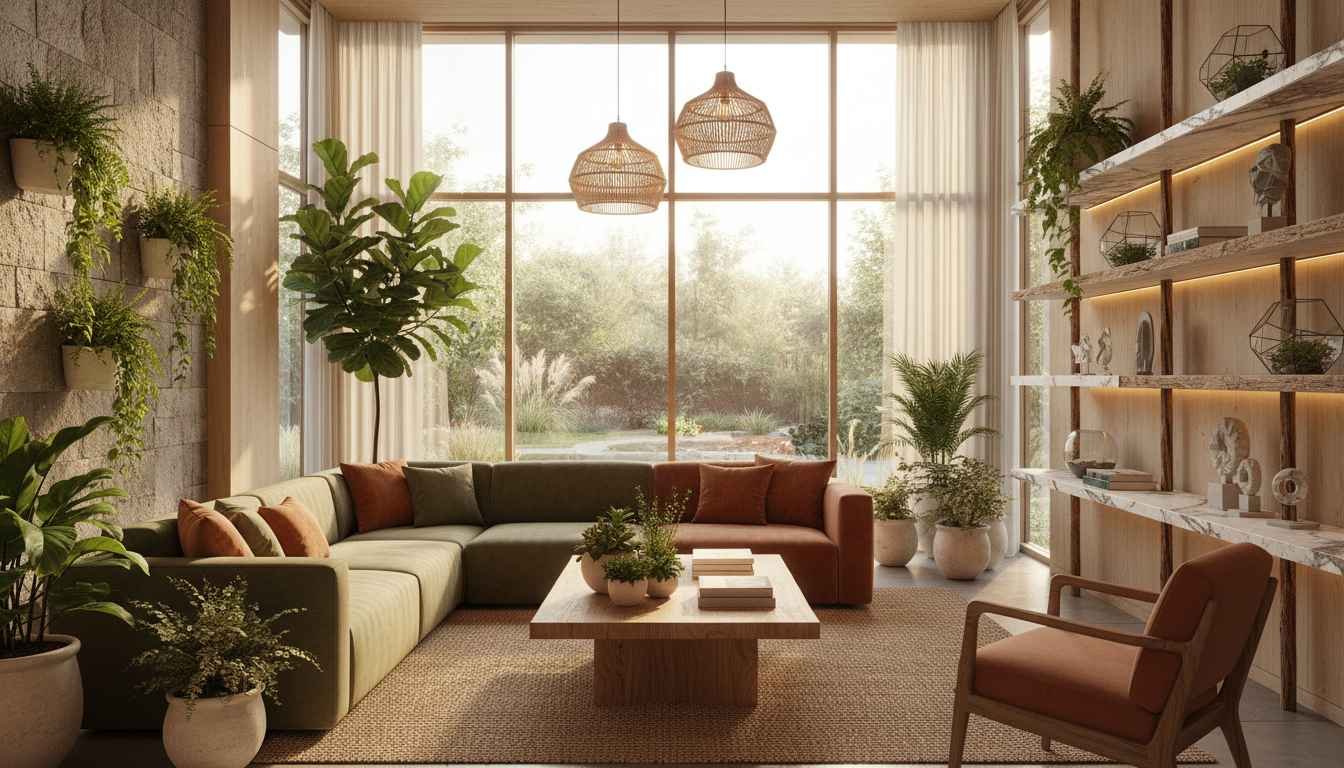
What Biophilic Design Actually Means
Biophilia is the idea that humans have an innate tendency to seek connection with nature. In interior design, that translates into spaces shaped by daylight, natural materials, views of greenery or water, fresh air, and the patterns found in the natural world — the curve of a shell, the grain of wood, the rhythm of a forest canopy.
The important distinction is between decoration and design. A few potted plants in a concrete box is decoration. A room oriented to capture morning light, built with honest materials, and planned so that air and sound behave well is biophilic design. The first photographs nicely; the second changes how a space feels to live and work in.
What a Good Biophilic Interior Design Course Teaches
A serious course goes well beyond mood boards. Expect it to cover how daylight works across the day and the seasons, and how to shape a room so light supports the way people actually use it. Expect material study: timber, stone, clay, wool, and other natural materials chosen for how they age, not just how they look on day one.
Strong programs also teach the less glamorous systems — airflow, acoustics, and thermal comfort — because a beautiful room that echoes, overheats, or feels stuffy has failed at its job. The best courses include a framework for testing results: post-occupancy evaluation, where you return to a finished space, observe how people use it, and learn from what worked and what didn’t. If a course promises transformation without any applied project or evaluation, treat that as a warning sign.
Choosing a course well is a skill in itself, and the same questions apply to any design education: who teaches it, what will you actually produce, and can you see the work of past students? Guidance on choosing an online course covers the same checks — syllabus, instructor credentials, and evidence of real outcomes — and they matter just as much here.
Formats, Time, and Cost: What to Expect
Biophilic design courses come in several formats: short online introductions of a few weeks, certificate programs running roughly six to twelve weeks with applied assignments, and longer professional programs tied to architecture or interior design qualifications. Prices vary widely, from modest online courses to premium programs costing several thousand dollars — and price alone says little about quality.
Before paying, ask for the full syllabus, the names and backgrounds of the instructors, and examples of student work. A program that cannot show you what its graduates produce is asking you to buy on faith. Also check whether the course covers the practical side — budgets, maintenance planning, and coordination with architects and engineers — because biophilic interiors are rarely a solo effort.
How to Choose the Right Course
Start with your goal. If you are a working designer adding a specialty, look for a program with applied projects and critique, not just lectures. If you are a homeowner or developer, a shorter foundations course may be enough to brief a designer intelligently and judge the result.
Then check five things: a syllabus that covers light, materials, air, acoustics, and evaluation — not just plants; instructors with built work you can look up; an applied project with feedback; honest discussion of costs and maintenance; and graduates whose work you can see. A course that skips maintenance planning is a course that will leave you with a beautiful living wall and no idea how to keep it alive.
For designers, biophilic work connects naturally to the wider project of making homes better places to live — the same judgment about materials, light, and long-term value that shapes good home improvement projects.
Where Designers Go Wrong
Biophilic design fails most often when it becomes literal. Trees shoved indoors without light or drainage. Moss walls installed with no maintenance plan. « Nature » treated as ornament pasted onto a conventional room. Poor execution damages credibility faster than ignoring biophilia altogether, because the client paid a premium and can see the result wilting.
The other common failure is designing for photographs instead of people. A space that looks extraordinary in a magazine spread but is loud, glary, or hard to clean will disappoint the people who actually live in it. Restraint is the discipline here: knowing when not to add, when to subtract, and when to let natural systems — daylight, breeze, a view — do the work.
Who It’s For — and Who Should Skip It
This specialty suits designers who want to work on wellness-focused residential and hospitality projects, and clients who value how a space feels over how loudly it announces its price tag. The return is real but slow: stronger positioning, better client retention, and work that matures rather than dates.
Skip it if your business depends on fast installs, disposable materials, and trend cycles. Biophilia demands client education, patience, coordination with other professionals, and higher upfront design labour. If that frustrates you, the investment will feel heavy — and your clients will feel it too.
FAQ: Biophilic Interior Design Courses
Do I need a design degree to take a biophilic design course?
Most introductory and certificate courses do not require one. Professional-level programs may expect design or architecture experience, so check the entry requirements before enrolling.
How long does a good course take?
Short introductions run a few weeks; serious certificate programs typically run six to twelve weeks with applied work. Anything promising mastery in a weekend is selling a certificate, not a skill.
Is biophilic design only for luxury projects?
No — the principles work at any budget. Daylight, natural materials, and good airflow cost little when planned early; they only become expensive when added as an afterthought to a finished design.
What should I ask before enrolling?
Ask for the syllabus, instructor backgrounds, examples of graduate work, and whether the course covers maintenance and budgeting. Clear answers to all four are a good sign.
Final Thoughts
A biophilic interior design course is worth taking when it teaches you to design with nature rather than decorate with it — light, materials, air, and sound treated as design tools, tested in real spaces, and maintained with a plan. Choose a program that shows its work, demands an applied project, and talks honestly about costs and limits. The result is not a room full of plants. It is a room that feels right the moment you walk in, and keeps feeling right for years.