Imagine arriving in a spa town where the air smells faintly of pine from the Black Forest, elegant 19th-century buildings line quiet streets, and your first stop is a warm thermal pool that Romans were using two thousand years ago. That is Baden-Baden in a nutshell: a small, graceful German town that invites you to slow down, soak, stroll and take in a surprising amount of culture in a compact, walkable centre.
Set on the edge of the Black Forest in south-west Germany, Baden-Baden has been a wellness destination for centuries, and its thermal baths remain the main draw. But the town is much more than its spas. Tree-lined avenues, a ruined hilltop castle, concert halls and museums fill a day or two easily, and the surrounding forest adds gentle hiking when you want fresh air between soaks.
Soak in the Thermal Baths and Spas
Start with the baths, because they define the town. The Friedrichsbad is the historic choice: a Roman-Irish bathing tradition in a handsome old building, where you move through a sequence of warm rooms, steam and pools. It is a quiet, phone-free, clothing-optional experience by tradition, so check the current rules before you go and allow a couple of unhurried hours.
If you prefer a modern, swimwear-friendly visit, the Caracalla Spa next door offers large indoor and outdoor thermal pools, whirlpools and saunas with views over the gardens. Families and first-time spa visitors usually find Caracalla the easier introduction, while Friedrichsbad suits travellers who want the traditional ritual. Either way, book ahead in busy periods and bring swimwear, a towel and flip-flops unless you plan to hire them on site.
Walk the Lichtentaler Allee
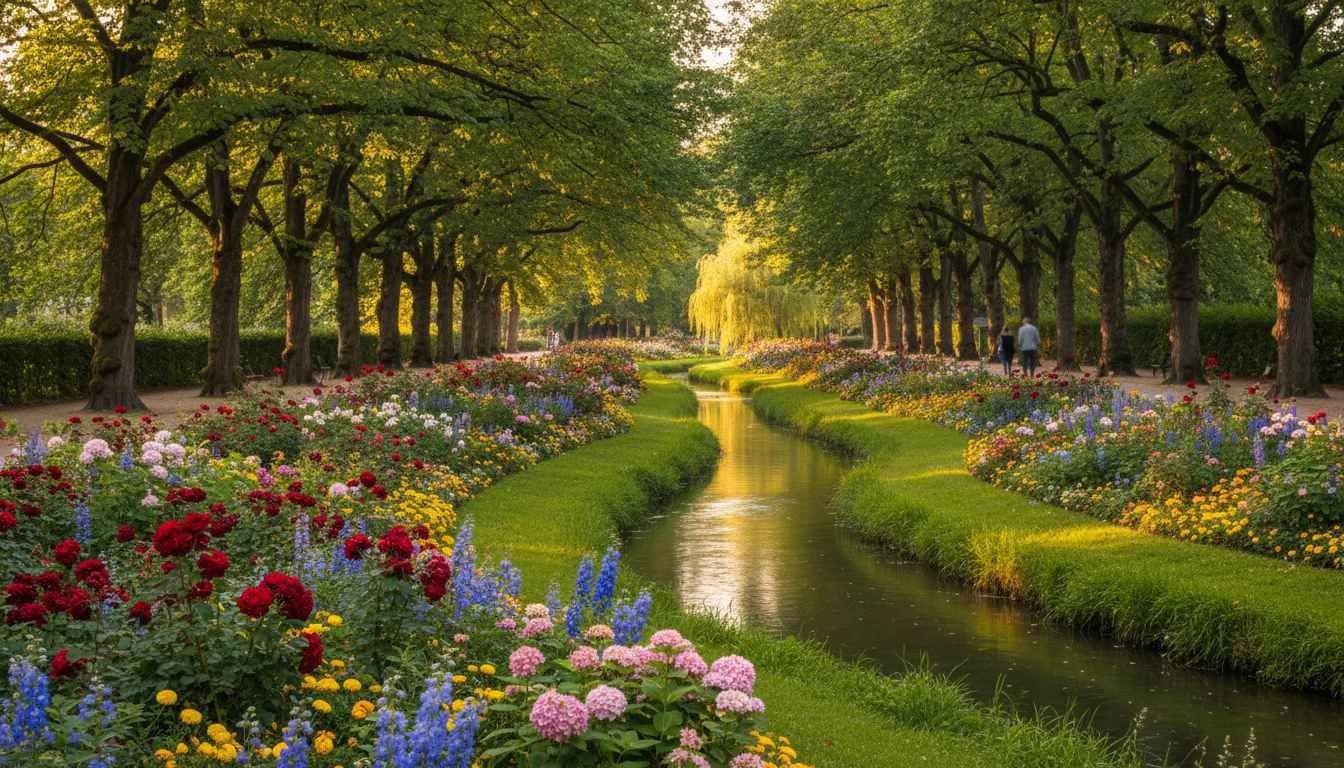
After a morning in the baths, the Lichtentaler Allee is the perfect counterweight. This long, tree-lined avenue follows the River Oos through parks and gardens, past flower beds, old trees and quiet benches. It is flat, easy walking, and it connects many of the town’s sights without ever feeling like a route march.
Give yourself an hour for a leisurely stretch of the avenue, longer if you stop at a café or detour into the rose garden in season. In autumn the trees turn colour beautifully, and in spring the beds are at their brightest — both seasons are excellent for this walk.
Climb to Hohenbaden Castle
For the best view in town, head up to Hohenbaden Castle, the ruined 11th-century fortress above Baden-Baden. The climb is steady rather than steep, and the reward is a sweeping panorama over the town, the valley and the Black Forest beyond. The ruins themselves are fun to explore, with stairways, walls and viewpoints that make the history feel tangible rather than distant.
Wear proper walking shoes, carry water, and go in the morning or late afternoon for the softest light for photographs. On a clear day you can pick out the spa quarter below and trace the route of the Lichtentaler Allee through the trees.
Culture: Concerts, Art and Historic Buildings
Baden-Baden’s cultural calendar is far richer than its size suggests. The Festspielhaus, one of Europe’s large concert halls, hosts classical concerts, opera and ballet through much of the year, and even if you do not attend a performance, its modern building and setting are worth seeing. The town’s art museum and smaller galleries offer a quieter afternoon alternative, with changing exhibitions rather than a single overwhelming collection.
Do not miss the Trinkhalle, the elegant colonnaded pump room near the Kurhaus gardens, where visitors traditionally sampled the town’s mineral spring water. It is a small, free pleasure: a beautiful building, a short ritual, and a reminder of why people have been coming here for their health for so long.
Practical Tips for Visiting Baden-Baden
Baden-Baden is compact, and its centre is best explored on foot. Trains connect it with larger German cities, and local buses cover the short hops to the castle road and the forest trails. Spring and autumn offer the most comfortable walking weather and thinner crowds than summer, while winter has its own appeal if you plan your days around warm baths and cosy cafés.
Staying overnight is worth it if you can: an evening concert followed by a slow morning in the baths is the classic Baden-Baden rhythm, and the town feels at its most peaceful early in the day. If you are planning a wider German trip, our guide to the best places to visit in Germany with teenagers is a useful companion for family itineraries, and the most scenic places to visit in Europe puts Baden-Baden’s Black Forest setting in a broader continental context.
FAQ
What is Baden-Baden most famous for? Its thermal baths. The town has been a spa destination since Roman times, and the Friedrichsbad and Caracalla Spa remain its signature experiences.
How many days do you need in Baden-Baden? One full day covers the baths, the Lichtentaler Allee and the castle viewpoint. Two days let you add a concert, a museum and a forest walk without rushing.
Is Baden-Baden suitable for families? Yes, especially with the Caracalla Spa and the easy riverside walks. The traditional Friedrichsbad is quieter and better suited to adults, so check its rules before bringing children.
When is the best time to visit Baden-Baden? Spring and autumn are ideal for walking and sightseeing, with pleasant temperatures and fewer crowds than high summer.
Final Thoughts
Baden-Baden rewards a slow pace. Soak in the morning, walk the avenue in the afternoon, climb to the castle for the view, and finish with a concert or a quiet dinner in the old town. It is a town that has been helping visitors unwind for centuries — and after a day here, you will understand exactly why.