You have the week off, the car is in the driveway, and the open road is calling — but so is your bank balance. A road trip sounds like the cheapest kind of holiday, and it can be, until fuel, takeaway meals, and last-minute rooms quietly add up to more than a flight and a hotel ever would. The difference between a road trip that feels free and one that feels expensive is rarely luck. It is planning.
Planning a road trip on a budget does not mean skipping the good parts. It means deciding in advance where your money goes, so the drive, the stops, and the nights away fit inside a number you chose — not one you discover when you get home.
Start With a Real Number, Not a Feeling
Before you look at a single map, decide what the whole trip can cost. Pick one total figure that covers everything: fuel, food, stays, tolls, parking, activities, and a small cushion for surprises. Write it down — a budget that lives only in your head is a wish; a budget on paper is a plan.
Then split that total into daily amounts. If you have five days and a total of 500 units of your currency, that is 100 a day for everything. Some days will cost more — a long driving day burns more fuel — and some will cost less. The daily figure is a guide, not a rule, but it stops small overspending from quietly becoming a big one.
Be honest about the costs people forget. Tolls, parking, and entry fees are the most common budget-breakers on road trips, because none of them feel like real spending until you add them up. Check your route for toll roads in advance; many navigation apps show toll costs when you plan a route.
Choose a Route That Fits Your Wallet
The cheapest road trip is usually the one with the shortest sensible route, not the most ambitious one. Every extra hundred kilometres costs fuel, time, and often another night away. Plot your route before you leave and ask at each stop: is this place worth the detour?
If your trip lasts several days, sketch your days roughly before you leave; our guide on how to plan a 7-day itinerary for first-time travelers shows how to space out driving days and rest days so the plan stays enjoyable instead of exhausting.
Keep your daily driving realistic. Four to five hours behind the wheel leaves time to actually enjoy the places you stop; eight hours leaves you tired, hungry, and far more likely to pay for convenience. Tired drivers spend more money.
Cut Your Biggest Cost: Fuel
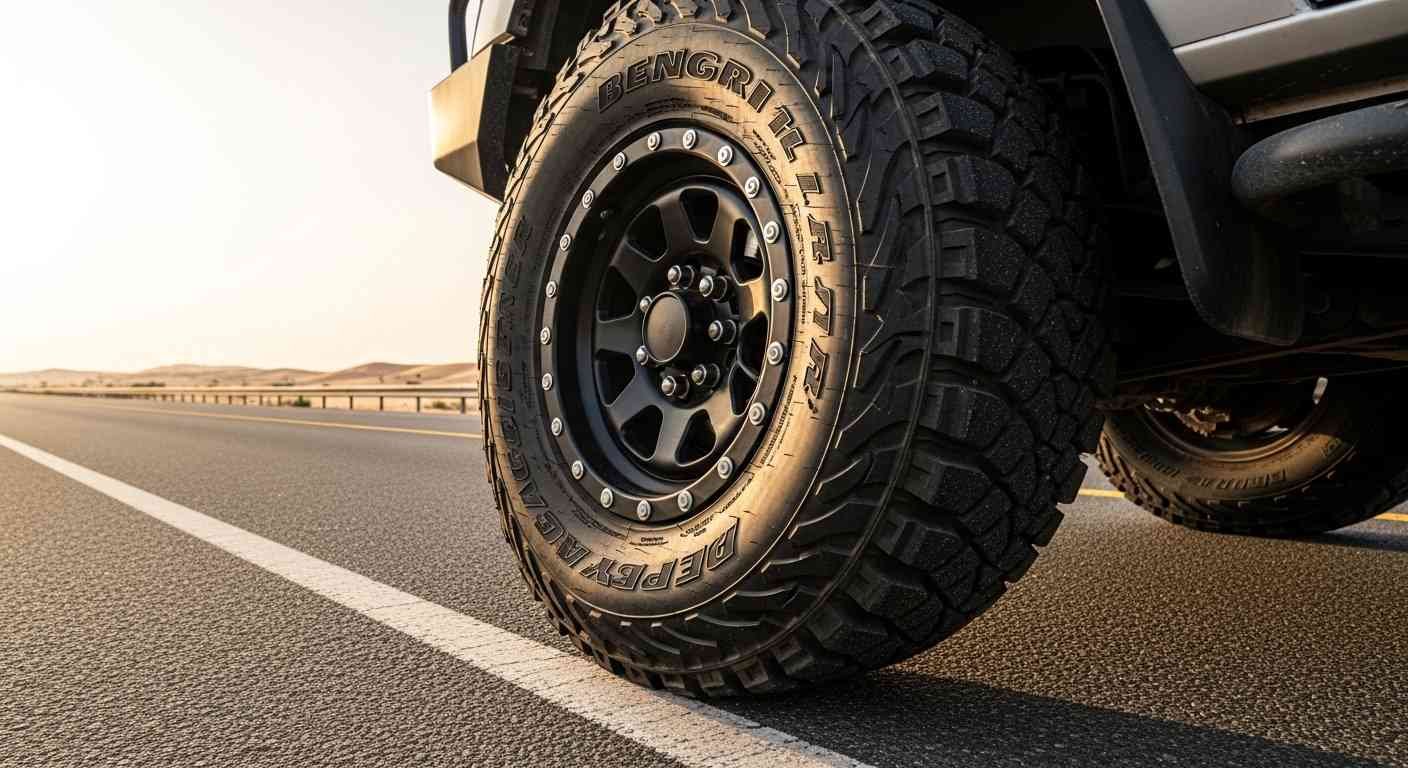
Fuel is usually the largest single expense on a road trip, so it deserves the most attention. Check tyre pressure before you leave — under-inflated tyres increase fuel use — and remove roof boxes, bike racks, and anything else you are not using, because extra weight and drag cost fuel on every kilometre.
Drive smoothly. Gentle acceleration, steady speeds, and looking ahead so you brake less will save more fuel than any gadget. Cruise control helps you hold a steady speed without thinking about it.
Fuel prices vary a lot between stations, especially between motorway service stations and stations in nearby towns. Fill up in towns rather than on the motorway when you can, and use a fuel-price app to compare stations along your route. Never let the tank run so low that you have to take the first station you find.
Eat Well Without Restaurant Prices
Food is the second-biggest leak in most road-trip budgets, and the easiest to fix. Restaurant meals three times a day can cost more than your fuel. You do not have to cook every meal — that would spoil the holiday — but one or two self-made meals a day change the numbers completely.
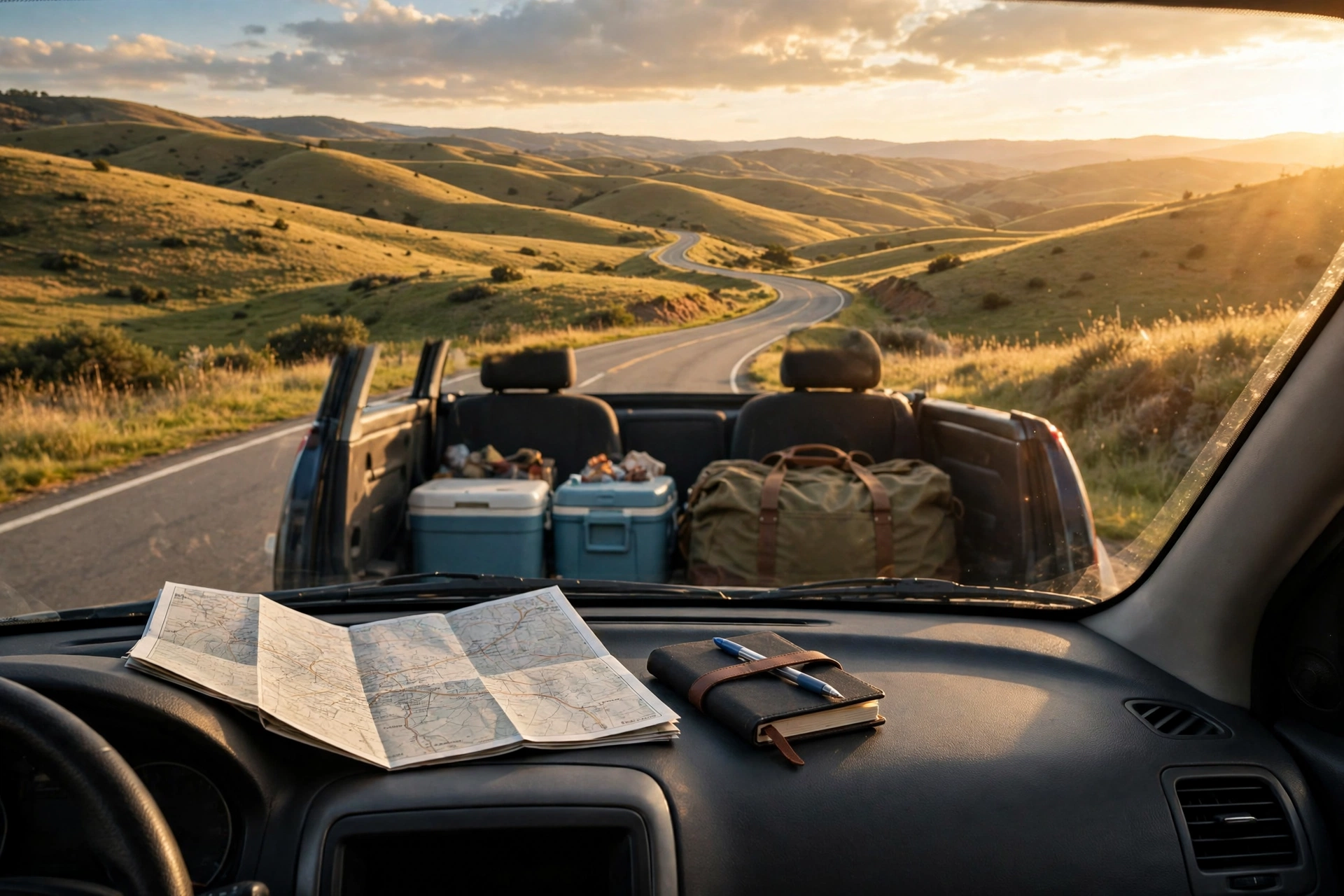
Pack a cooler before you leave: bread, sandwich fillings, fruit, snacks, and drinks. A sandwich eaten at a viewpoint costs a fraction of a cafe lunch and usually tastes better, because of the view. Stock up at supermarkets in towns rather than buying snacks at petrol stations, where the same items cost far more.
Choose one meal a day to enjoy properly. Pick the local place, sit down, and enjoy it — that is part of the trip. The other meals can be simple; nobody will remember the sandwich, but they will remember the one great dinner.
Sleep Cheap Without Sleeping Badly
Accommodation is where budgets quietly double. A room booked on the day, in the town you happen to reach at nightfall, is almost always the most expensive option. Book ahead whenever your route is fixed, even by one night, and compare a few options first.
Look beyond hotels. Guesthouses, hostels with private rooms, farm stays, and campsites often cost far less and put you closer to the places you came to see. If you are travelling with family or friends, a small apartment or cabin split between you can cost less per person than two hotel rooms and gives you a kitchen — which saves on food too. Staying slightly outside the popular town rather than in its centre is often much cheaper as well, and a twenty-minute drive in the morning is a small price for a better room.
Pack Smart So You Do Not Buy Things Twice
Almost every road trip includes at least one unplanned purchase: a phone charger, sunscreen, a rain jacket, a snack bag, or a tool you forgot. These small purchases are expensive because you buy them at the worst place — a motorway shop or a tourist-town store — at the worst price.
Make a packing list the day before you leave, not the morning you go. Walk through the trip in your head: driving, sleeping, eating, walking, weather. Pack for the weather you will actually meet, and check the forecast for every stop, not just your destination. If you want a lighter, better-organised bag, our guide on how to pack light for a week-long trip shows how to fit a week into one bag without leaving anything important behind.
Keep a small kit in the car — water, snacks, a first-aid kit, a torch, a charger, and an offline map — because mobile signal disappears exactly when you need directions most.
Keep a Small Cushion for Surprises
No road trip goes exactly to plan, and that is half the fun — but surprises cost money. A flat tyre, a closed road, or a place so good you stay another night: these are normal, not failures. Keep around a tenth of your budget unassigned, and do not spend it in the first days. If you reach the last day with it untouched, it becomes your celebration dinner. If something goes wrong, it is the reason the trip stays enjoyable.
Frequently Asked Questions
How much should I budget per day for a road trip?
It depends on your country, your car, and how you sleep and eat, so there is no single number that fits everyone. The reliable method is to work it out for your own trip: estimate fuel from your route distance and your car’s consumption, add your planned stays and one meal out a day, then add a cushion.
Is it cheaper to drive or fly for a holiday?
For one person travelling far, flying is often cheaper. For two or more people travelling together, driving usually wins, because fuel and tolls are shared while flights multiply per person. Driving also saves on airport transfers, baggage fees, and car hire at the other end.
How do I keep fuel costs down on a long drive?
Keep the car maintained and tyres at the right pressure, drive smoothly at a steady speed, avoid carrying unnecessary weight, and fill up at cheaper stations in towns rather than on motorways.
Final Thoughts
A road trip on a budget is not a smaller holiday. It is a better-planned one. Set a real total before you leave, choose a route your wallet can handle, keep fuel and food costs under control, book your stays before the day runs out, and leave a little room for surprises. Do that, and the road trip stops being a question of how much it cost — and becomes the trip you remember for the places you saw.