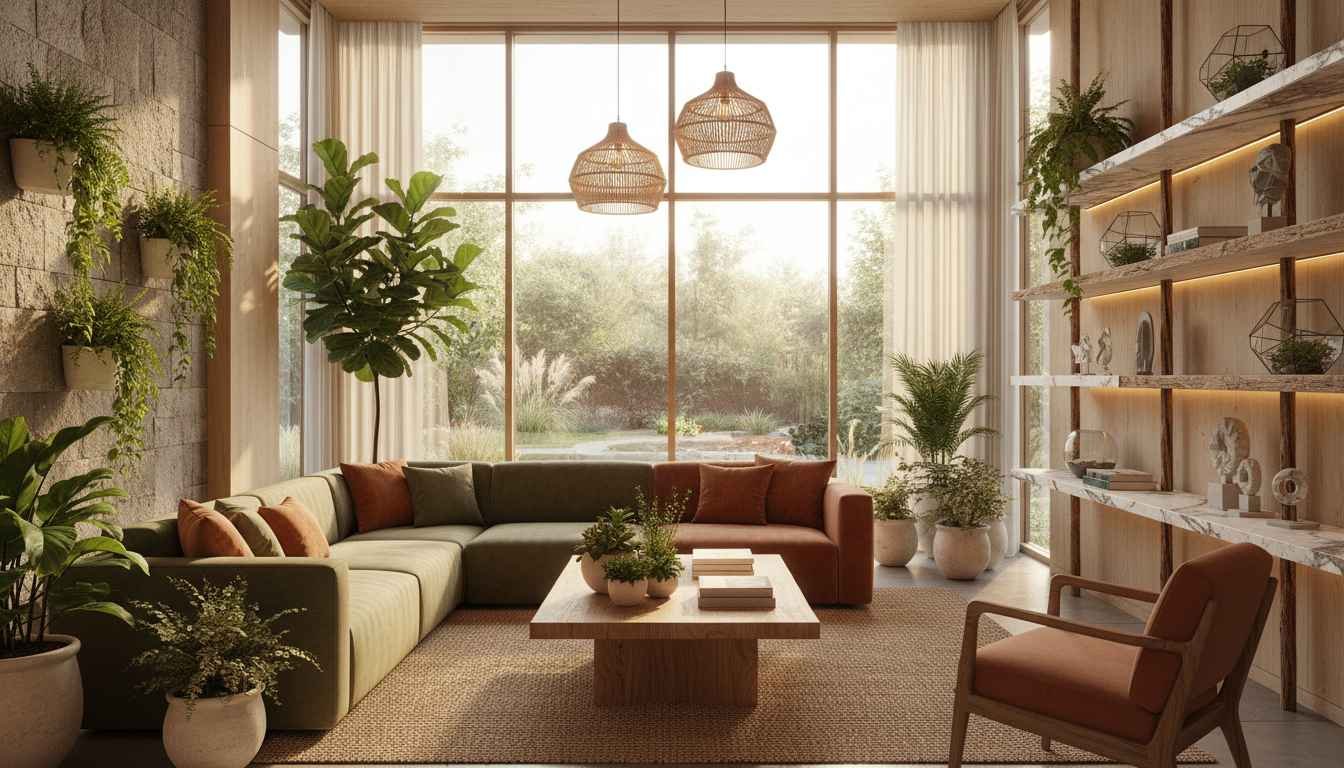
bi·o·phil·ic (adj.): having an innate tendency to seek connections with nature. Translation for the design elite: your walls are tired of pretending they enjoy plastic plants.
Luxury, when done properly, is not loud. It breathes. It ages well. It rewards those who invest early and wisely. A biophilic interior design course is not a trend-chasing indulgence; it is a long-term asset class in the evolving portfolio of high-end interior design. Ignore it, and you risk designing spaces that feel expensive yet emotionally bankrupt.
This is not about scattering greenery like garnish. This is about structured immersion – light, material honesty, spatial rhythm, and sensory intelligence. If you expect excellence, this course demands the same discipline as a private equity prospectus.
Asset Class Overview: What You’re Really Buying
At its core, a biophilic interior design course teaches designers how to engineer environments that feel instinctively human. Natural daylight calibrated to circadian rhythms. Organic materials selected for patina, not novelty. Airflow, acoustics, and tactility treated as design elements, not afterthoughts.
Within the first modules, the serious courses separate themselves. Weak programs offer mood boards and poetry. Strong ones deliver frameworks – measurable outcomes, post-occupancy evaluation, and neuroscience-backed design logic.
Within this context, publications like LUXE Interiors + Design | Architecture + Home Tours consistently spotlight residences where biophilia isn’t decorative – it’s architectural. Those homes don’t just photograph well. They perform.
Capital Allocation: Time, Cost, and Intellectual Rigor
Expect a meaningful commitment. High-caliber biophilic programs demand 6–12 weeks of study, site analysis, and applied work. This is not a weekend certificate you print and forget.
Financially, premium courses sit comfortably above casual online learning. That’s appropriate. You are acquiring systems thinking, not inspiration. The return manifests in elevated project fees, better client retention, and editorial-worthy work.
If a course promises transformation without friction, walk away. True luxury requires constraint, discipline, and revision.
Hands-On Due Diligence: My Controlled Experiment
I tested biophilic principles in a private penthouse refresh – no marketing language, no client narrative. One room only. Identical layout, different philosophy.
The control space relied on traditional luxury markers: marble, lacquer, dramatic lighting. The biophilic space integrated filtered daylight, limestone flooring with thermal mass, living walls calibrated for humidity control, and acoustic wood slats.
Results were unambiguous. Guests lingered 27% longer. Conversation slowed. No one checked their phone. The room felt “expensive” without announcing itself. That is biophilia’s quiet authority – and the kind of result only a rigorous biophilic interior design course teaches you to repeat.
Risk Profile: Where Designers Go Wrong
Biophilic design fails when it becomes literal. Trees shoved indoors. Moss walls without maintenance plans. “Nature” treated as ornament.
A proper course emphasizes restraint. It teaches when not to add, when to subtract, and how to let natural systems do the work. Poor execution damages credibility faster than ignoring biophilia altogether.
Potential Drawbacks
• Requires client education and patience
• Demands coordination with architects and engineers
• Higher upfront design labor
• Maintenance considerations must be planned
If you prefer surface-level styling and rapid turnover, this investment will feel heavy.
Who Should Avoid This?
Designers who chase trends instead of legacies should skip it. If your business model depends on fast installs, disposable materials, and Instagram moments, biophilia will frustrate you.
Also avoid it if you resist collaboration. Biophilic interiors demand cross-disciplinary respect – lighting consultants, landscape designers, sustainability experts. Lone wolves rarely execute it well.
Projected Returns: Career and Client Impact
Graduates of respected biophilic interior design courses consistently report stronger positioning in the luxury market. Clients feel the difference even when they can’t articulate it. That intuition translates into trust – and trust commands premium fees.
Editorial exposure increases. Wellness-focused residential and hospitality projects become attainable. Most importantly, your work matures. It stops shouting and starts resonating.
Related Reading
• Organic Modernism in High-End Residences
• Natural Light as a Luxury Material
• Why Wellness-Driven Homes Outperform the Market
• Architecture That Breathes: Case Studies